
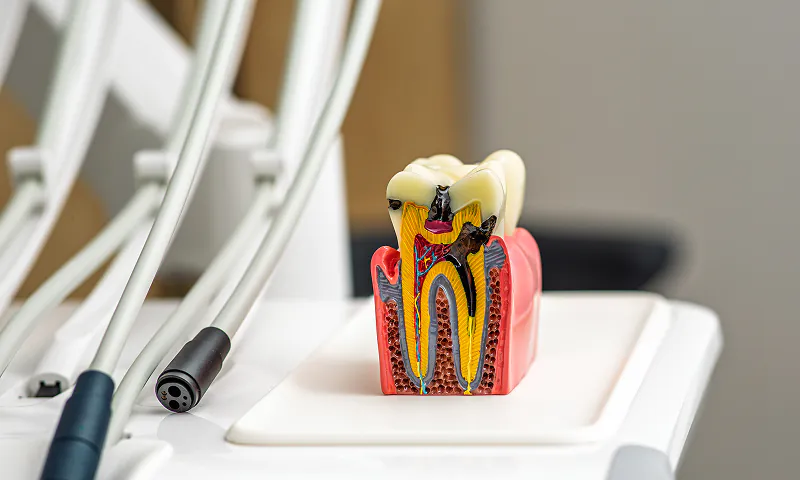
Few dental procedures have a reputation quite like the root canal. For many people, just hearing the words brings up images of pain, lengthy appointments, and an experience they'd rather avoid. But modern root canal treatment is much more comfortable than its reputation suggests. In fact, the procedure is designed to relieve the discomfort caused by an infected or damaged tooth while helping you keep your natural smile.
At Cereus Dental Care in Tempe, AZ, Dr. Daniel J. Lyu, DDS, FAGD, provides root canal treatment with an emphasis on gentle, personalized care. If you've been told you might need a root canal or are experiencing symptoms that concern you, understanding what treatment actually involves can make the decision feel a lot less intimidating.
Let's separate some common root canal myths from the facts.
Myth #1: Root Canals Are Extremely Painful
Fact: Root canal treatment is intended to relieve pain, not cause it.
This is probably the most common misconception about root canals. While the procedure may have been less comfortable decades ago, advances in dental techniques, anesthesia, and technology have made treatment much easier for patients.
The discomfort people associate with root canals often comes from the infection or inflammation inside the tooth, not the procedure itself. When the soft inner tissue of a tooth, called the pulp, becomes infected or damaged, it can cause significant pain and sensitivity. Root canal treatment removes the affected tissue, cleans the inside of the tooth, and helps eliminate the source of the problem.
Local anesthesia is used to keep the area comfortable during treatment. You may notice some pressure or movement, but you should not have to endure significant pain. Some tenderness afterward is possible as the surrounding tissues recover, but this typically improves as healing progresses.
If dental anxiety is part of what makes you hesitant, let the team at Cereus Dental Care know. Your comfort matters, and there are options to help make your visit more relaxing.
Myth #2: It's Better to Pull the Tooth Than Get a Root Canal
Fact: Whenever possible, preserving your natural tooth is usually the preferred option.
If a tooth is infected, extraction might seem like the quickest way to get rid of the problem. However, removing a tooth can create additional considerations, including how to replace it and how to maintain proper spacing and bite function.
Your natural teeth are designed to work together. Keeping a tooth whenever it can be predictably restored helps preserve your natural bite and avoids the need for a replacement right away.
A root canal can often save a tooth that would otherwise need to be removed. Once the infected pulp is removed and the inside of the tooth is cleaned and sealed, a dental restoration, often a crown, can help protect the remaining tooth structure.
Of course, not every tooth can be saved. Severe fractures, extensive damage, or other complications may make extraction the more appropriate choice. Dr. Lyu can evaluate the tooth and explain which option makes the most sense for your oral health.
Myth #3: If My Tooth Stops Hurting, the Infection Must Be Gone
Fact: Dental infections don't always cause constant pain, and symptoms can change over time.
A toothache that suddenly improves might feel like a reason to relax. Unfortunately, it doesn't necessarily mean the underlying problem has resolved.
When the pulp inside a tooth becomes severely damaged or dies, the nerve may stop sending the same pain signals. The infection can still be present, even if the tooth no longer hurts as much. In some cases, the infection may spread beyond the tooth and lead to an abscess near the root.
This is why it's important not to ignore a tooth that has been painful, especially if you notice swelling or other changes. A dental examination can help identify what's happening before the problem becomes more complicated.
Myth #4: You'll Know Immediately If You Need a Root Canal
Fact: Root canal symptoms can vary, and some problems aren't obvious at first.
Some patients experience intense tooth pain, while others notice more subtle changes. You may need an evaluation if you experience:
- Tooth pain that lingers after eating or drinking something hot or cold
- Sharp pain when biting down or chewing
- Persistent or recurring tooth sensitivity
- Swollen, tender, or irritated gums near a tooth
- A small bump or pimple-like spot on the gums
- A dental abscess or signs of infection
- Tooth discoloration following an injury
- A tooth that feels loose or uncomfortable
These symptoms don't automatically mean you need a root canal. Cavities, cracked teeth, gum problems, and other conditions can cause similar discomfort. The best way to determine the cause is to have the tooth examined.
At Cereus Dental Care, Dr. Lyu uses diagnostic tools to evaluate the tooth and determine whether root canal treatment is appropriate.
What Actually Happens During a Root Canal?
Understanding the process can make treatment feel much less mysterious. Although each case is different, root canal therapy generally involves a few key steps.
1. Examining the tooth
Dr. Lyu first evaluates the affected tooth, reviews your symptoms, and uses diagnostic imaging as needed to assess the extent of the damage or infection. This helps determine whether the tooth can be preserved with root canal treatment.
2. Numbing the area
Local anesthesia helps keep you comfortable throughout the procedure. If you're nervous about dental treatment, Cereus Dental Care also offers sedation options that may help you feel more relaxed.
3. Removing the infected tissue
A small opening is made in the tooth to access the pulp chamber and root canals. The infected or damaged tissue is carefully removed, and the inside of the tooth is cleaned and disinfected.
4. Sealing the tooth
After the canals are cleaned and shaped, they are filled with a specialized material and sealed to help prevent bacteria from reentering.
5. Protecting the tooth with a restoration
Depending on the amount of remaining tooth structure, a dental crown may be recommended to restore strength and protect the treated tooth. This is especially important for teeth that experience significant chewing forces.
Following treatment, you'll receive instructions for caring for the tooth while it heals. With proper restoration and routine dental care, a root canal-treated tooth can remain functional for many years.
What If You're Nervous About Getting a Root Canal?
Dental anxiety is real, and you shouldn't feel embarrassed about it. Whether you've had an uncomfortable dental experience in the past or simply feel uneasy about the idea of treatment, sharing those concerns with your dentist is an important first step.
Cereus Dental Care offers two sedation options to help patients feel more at ease:
- Oral conscious sedation: A prescribed medication taken before treatment can create a relaxed, drowsy feeling. This option may be appropriate for patients with more significant dental anxiety.
- Laughing gas: Also known as nitrous oxide, this light form of sedation is inhaled through a small mask. It can help reduce nervousness while allowing you to remain awake and communicate with the dental team.
Dr. Lyu and the team can discuss your concerns and help determine whether sedation is appropriate for your needs and planned treatment.
Don't Let Root Canal Myths Keep You From Getting Relief
An infected tooth rarely gets better without treatment. Putting off care can allow the infection to progress, potentially making the tooth more difficult to save. The good news is that root canal therapy is a well-established treatment that can relieve discomfort and help preserve your natural tooth.
If you're experiencing lingering tooth pain, swelling, sensitivity, or other signs of infection, don't wait for symptoms to become more severe. Contact Cereus Dental Care to schedule an evaluation.
Ready to get answers about a painful tooth? Call Cereus Dental Care to schedule an appointment with Dr. Daniel J. Lyu. Our team is here to help you understand your options and feel comfortable moving forward with care.